
About Mi-Kis
Breed information, coat types, and color genetics
What Breeds Formed the Mi-Ki?
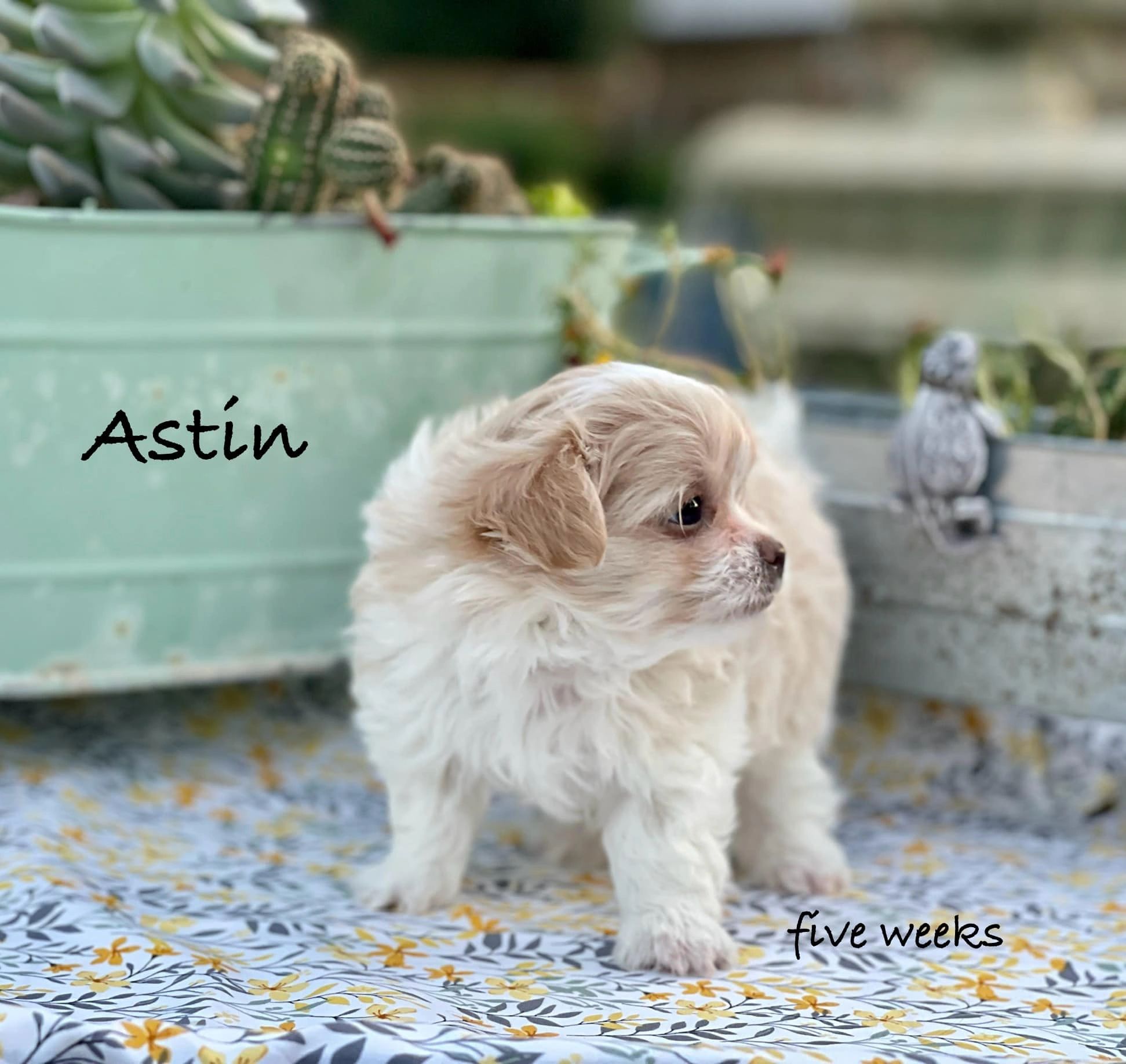
Like all purebred dogs, Mi-Kis were created from other breeds. They are not "designer dogs" that can be created with a dash of this and that — Mi-Kis must be bred to other DNA verified Mi-Kis with proven pedigrees to prove they are purebred with the wonderful traits they are known for. They are a rare and wonderful breed known for its sensitive and adaptable nature. Mi-Ki (pronounced mee-kee).
Mi-Ki Coat Types
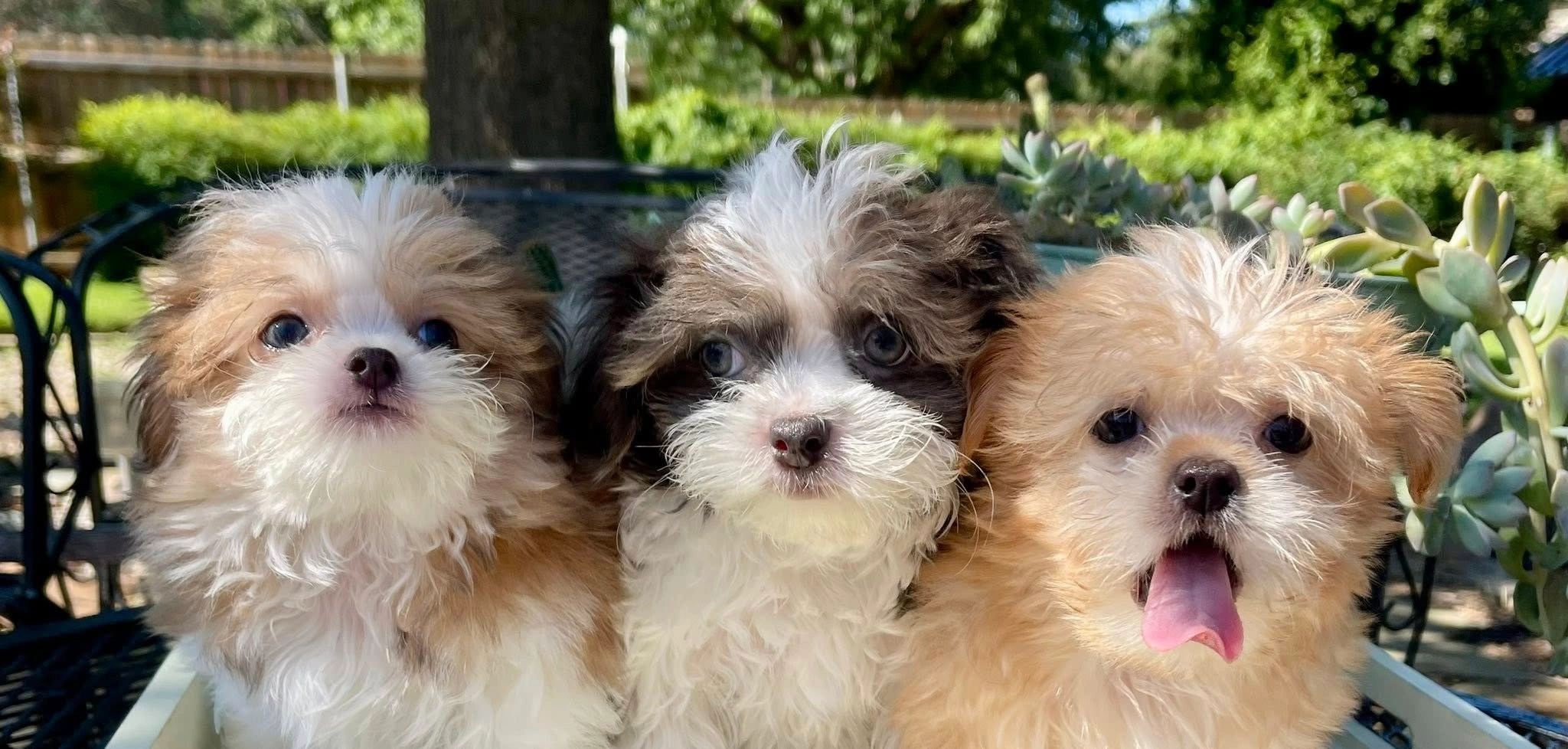
Mi-Kis come in a variety of colors, textures, and coat types. The two main coat types include Long Coats (most common) and Smooth Face (Smoothies).
Long Coats are considered more hypoallergenic as they do not shed. They require skilled or professional grooming as the coat is like human hair that grows indefinitely. They have a silky texture or more of a cottony coat. Silky coats may be easier to maintain. Cottony coats tend to mat easily and may be suited for a puppy or teddy bear cut.
Smooth Face (Smoothies) have a demi-long coat without furnishings — the long hair growth of the mustache, beard, eyebrows, and feet. Smoothies are easier to groom, do shed but maintain a consistent hair length. Some have very dense coats that shed more; others have a sleeker coat that lies closer to their body. Our Selkie has this coat.
Mi-Ki Colors and Color Changes
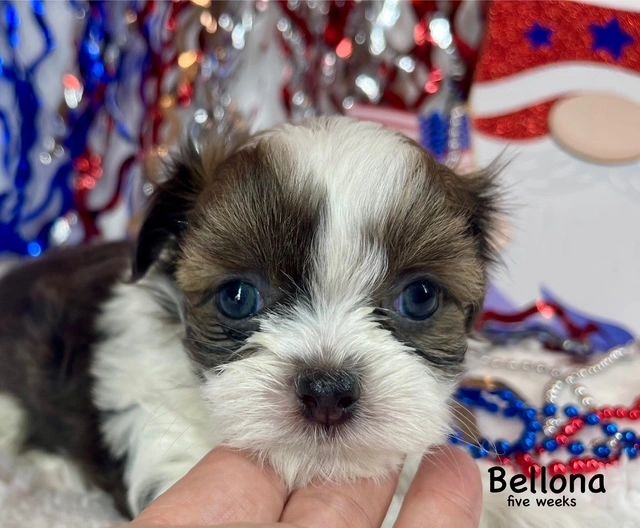
Long coats change the most over time. You will see a puppy that is dark brown with a black face that may end up a platinum blonde with low-lights as an adult. Smoothies generally retain more of their puppy color and are not affected by the graying gene.
Sable: Red sable is the most prominent color and one of the most beautiful. Sable Mi-Kis are born dark brown and have a darker stripe down their spines. Long coat sables gradually lighten as they mature, leaving only a bit of dark fringe on their ears. Mature sables can be cream, gold, or gray. Sables can also come in chocolate and blue.
Clear Red: No black pigment in their fur, only on their skin. This is a recessive trait. Clear Red Mi-Kis may be white, cream, buff, or apricot — and will change the least in color as adults.
Brindle: With brindles, you never know what you will get as they mature. Long-coat brindles tend to have a more mottled appearance. It is easier to see the brindle banding on smooth-coat Mi-Kis as adults.
Chocolate: A recessive trait that turns the black pigment brown in both the coat and the skin. Chocolate Mi-Kis will have brown nose leathers, paw pads and eye rims, plus amber-colored eyes.
Black: Uncommon for black Mi-Kis to stay black due to the dominant graying gene. They tend to silver as adults. Can be solid, tuxedo, or splashy particolored.
Black & Tan / Tricolors: Tan points like Rottweilers. With white spotting, they are known as tricolors. Genetically, these are fairly rare.
Dilute (Blue): The dilute gene turns all black pigment silvery-blue. Blue Mi-Kis will have blue-gray eyes. Can be combined with patterns such as brindle, black and tan, and chocolate.
Mi-Ki Color Genetics Chart
Click the chart below to view it full-size:
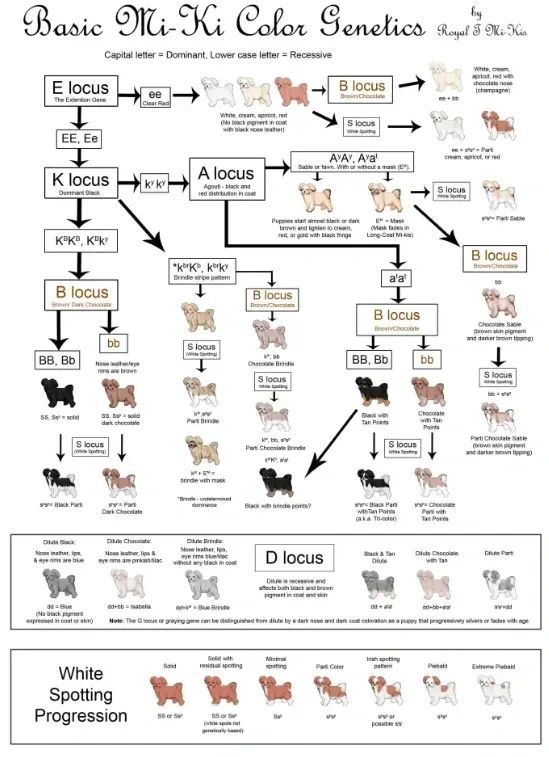 Click to enlarge
Basic Mi-Ki Color Genetics by Royal T's Mi-Kis